Education
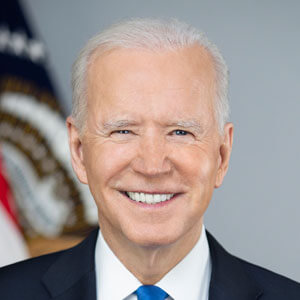
Joe Biden: The 46th President of the United States
Biography of Joe Biden
Early Life
Joe Biden, whose full name is Joseph Robinette Biden Jr., was born on November 20, 1942, in Scranton, Pennsylvania. He is the first of four children of Catherine Eugenia Finnegan Biden and Joseph Robinette Biden, Sr. In 1953, the Biden family relocated to Claymont, Delaware.
Education
Biden graduated from the University of Delaware with a double major in History and Political Science. He later earned a law degree from Syracuse University College of Law in 1968.
Early Political Career
Biden started his political career in local government, serving on the New Castle County Council from 1970 to 1972. He was elected to the U.S. Senate in 1972 at the young age of 29, becoming the fifth youngest senator in U.S. history.
U.S. Senate
During his tenure in the Senate, which lasted from 1973 to 2009, Biden established himself as a leader on foreign policy and domestic issues, serving on several key committees. He was known for his work on the Violence Against Women Act and was involved in various significant legislative efforts throughout his career.
Vice Presidency
From 2009 to 2017, Biden served as the 47th Vice President of the United States under President Barack Obama. His time as Vice President was marked by significant economic recovery efforts following the 2008 financial crisis, and he played a critical role in shaping numerous policies, including healthcare and foreign relations.
Presidential Campaign
On April 25, 2019, Biden announced his candidacy for the presidency in the 2020 election. His campaign focused on three key pillars: the battle for the soul of the nation, the need to rebuild the middle class, and a call for unity among Americans. His message resonated as the country faced a pandemic, economic crisis, urgent demands for racial justice, and the growing threat of climate change.
Presidency
Biden won the 2020 presidential election and was inaugurated as the 46th President of the United States on January 20, 2021. His administration has focused on addressing the COVID-19 pandemic, economic recovery, climate change, and social justice issues.
Conclusion
Joe Biden's long career in politics, from local government to the highest office in the nation, reflects his commitment to public service and the issues facing the American people.
Joe Biden and Cryptocurrency
Joe Biden's administration has shown a significant engagement with the topics of cryptocurrency, blockchain technology, and mining policies, highlighting the growing importance of these sectors in the U.S. economy.
Regulatory Framework
Under President Biden, the focus has been on establishing a regulatory framework for cryptocurrencies. The administration has recognized the necessity of regulating digital assets to protect consumers and investors while promoting innovation in the blockchain sector.
Task Force on Financial Technology
The Biden administration launched the Financial Technology (FinTech) Task Force aimed at ensuring that regulatory practices evolve alongside technological advancements in financial services, which include cryptocurrencies. This underscores a commitment to developing policies that address risks associated with digital currencies.
Cryptocurrency Surveys and Data Collection
In 2021, the Biden administration initiated efforts to collect data on cryptocurrency transactions and their economic impact through the IRS and Treasury Department. This information is intended to inform future regulatory measures and tax policies concerning digital assets.
Climate Change and Energy Consumption
Biden has also acknowledged the environmental concerns tied to cryptocurrency mining, particularly Bitcoin, which is known for its high energy consumption. His administration has explored initiatives aimed at fostering sustainable energy practices in the mining sector, promoting the use of renewable energy sources.
Executive Orders
In March 2022, President Biden signed an executive order regarding digital assets that requests a comprehensive review of the impacts of cryptocurrencies on financial stability, national security, and consumer protection. This order exemplifies an intent to develop a coordinated approach towards cryptocurrency policy.
Promoting Blockchain Innovation
The Biden administration has expressed a positive outlook on blockchain technology beyond its use in cryptocurrencies. There is an understanding that blockchain can enhance transparency, security, and efficiency in various sectors, prompting exploration into pilot projects and partnerships with private sectors.
Encouraging Collaboration with Other Governments
Lastly, Biden has emphasized the importance of international collaboration when addressing the challenges posed by digital currencies. This includes aligning with foreign governments on regulatory standards and combating illicit activities associated with cryptocurrencies.
Conclusion
In summary, while Joe Biden's presidency is not directly linked to cryptocurrency operations, his administration's policies and regulatory initiatives significantly impact the landscape of cryptocurrencies and blockchain technology in the United States.
Influence of Joe Biden on Cryptocurrencies, Blockchain, and Mining
Joe Biden's administration has invoked a range of policies and regulatory considerations that impact the cryptocurrency and blockchain sectors. His influence can be broken down into several key areas:
1. Regulatory Framework
Under Biden's leadership, there has been a push towards establishing a comprehensive regulatory framework for cryptocurrencies. This includes enhancing oversight to prevent fraud, promote transparency, and ensure consumer protection. The administration’s focus on regulation influences how companies operate within the crypto space.
2. Infrastructure Investment
Biden’s emphasis on infrastructure includes discussions around modernizing and integrating blockchain technology into various sectors. Investments in technology can foster innovation within the blockchain industry and create a supportive environment for startups.
3. Environmental Concerns
One of the noteworthy aspects of Biden's administration is its strong stance on climate change. This has implications for cryptocurrency mining, particularly Bitcoin, which has faced criticism for its high energy consumption. Biden's policies may lead to stricter regulations on energy usage in mining operations, encouraging the industry to shift towards more sustainable practices.
4. Global Competitiveness
Biden’s administration has also focused on maintaining the United States' global leadership in technology innovation, including blockchain technology. Policies aimed at supporting American companies involved in cryptocurrency can potentially lead to greater competitiveness in the global market.
5. Research and Development
There is a potential for increased federal funding for research and development in blockchain technology. This could stimulate advancements in the field and encourage collaboration between public institutions and private entities.
Conclusion
Overall, Joe Biden’s influence on cryptocurrencies, blockchain, and mining is significant in terms of regulatory approaches, environmental considerations, and fostering innovation. The administration's actions and policies will likely shape the future of the crypto landscape in the United States, ultimately impacting global trends in the industry.