Education
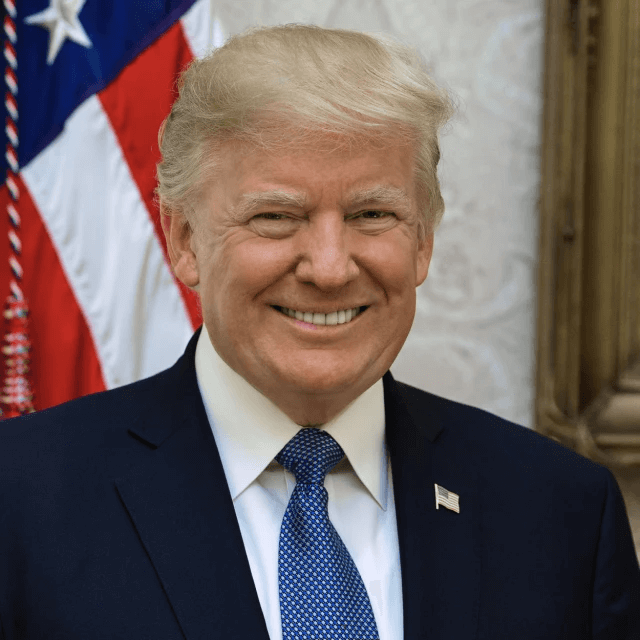
Donald Trump: Businessman, President, and Media Personality
Biography of Donald Trump
Early Life and Education
Donald John Trump was born on June 14, 1946, in Queens, New York City. He attended the New York Military Academy for high school and later enrolled at the Wharton School of Finance and Commerce at the University of Pennsylvania, where he graduated with a degree in economics in 1968.
Business Career
After completing his education, Trump joined his father's real estate business, which he would eventually take over in 1971, renaming it the Trump Organization. Under his leadership, the company expanded its operations to include building and renovating skyscrapers, hotels, casinos, and golf courses. Trump's name became a brand, and he also ventured into licensing agreements for various products. His business dealings were often controversial, and he has been involved in numerous legal actions, totaling over 4,000, including six bankruptcies.
Media Career
In addition to his business endeavors, Trump became a media personality by co-producing and hosting the reality television series "The Apprentice," which aired from 2004 to 2015. The show significantly raised his public profile and cemented his image as a successful businessman.
Political Career
Trump entered politics as a Republican and announced his candidacy for the presidency in 2015. He won the 2016 presidential election, defeating Democratic nominee Hillary Clinton despite losing the national popular vote. His victory was notable as he became the first U.S. president without prior military or government experience. Trump served as the 45th president from January 20, 2017, to January 20, 2021.
Post-Presidency and 2024 Candidacy
After losing the 2020 presidential election to Joe Biden, Trump refused to concede, alleging widespread voter fraud without substantial evidence. In November 2022, he announced his candidacy for the Republican nomination in the 2024 presidential election, seeking to return to the White House.
Personal Life
Donald Trump is married to Melania Trump, and they have one son, Barron. Additionally, Trump has four adult children from previous marriages: Donald Jr., Ivanka, Eric, and Tiffany, along with nine grandchildren.
Donald Trump and Cryptocurrency
Donald Trump has had a mixed view on cryptocurrencies, often expressing skepticism and criticism about their value and implications. Here are several key points related to Trump's connection with cryptocurrencies, blockchain, and mining:
1. Skepticism Towards Bitcoin
Trump publicly criticized Bitcoin and other cryptocurrencies in 2019, stating that he is "not a fan" of Bitcoin and that it is "based on thin air." He expressed concerns about its potential to facilitate illegal activities and its lack of backing by a central authority.
2. Regulatory Perspectives
During his presidency, he did not focus heavily on cryptocurrency regulation, but his administration's stance indicated a preference for regulating cryptocurrencies to prevent fraud and protect consumers. This stance influenced market sentiments among investors and industry leaders.
3. The Trump Organization's Exploration of Cryptocurrency
There have been discussions about whether the Trump Organization would venture into cryptocurrencies. However, no concrete projects or initiatives were launched during his presidency. Speculation regarding potential Trump-branded cryptocurrency surfaced, but these ideas did not materialize.
4. Association with Blockchain Technologies
While Trump himself has not directly endorsed or utilized blockchain technologies, the Trump Organization has shown interest in innovative technologies. Blockchain's potential for secure transactions could align with future business strategies, but no official collaborations have been announced.
5. Influence on Market Sentiment
Trump's comments on cryptocurrencies have the potential to influence market sentiments dramatically. His remarks can lead to sudden price fluctuations, as traders often react to statements made by major political figures.
6. Fundraising and Cryptocurrencies
In the context of political fundraising, several campaigns, including those from Trump's supporters, have explored the use of cryptocurrencies as a means to raise funds. However, Trump's own fundraising efforts have primarily focused on traditional methods.
7. Current Developments
As of now, Trump's involvement or endorsement of specific cryptocurrency projects remains largely speculative. His position on cryptocurrencies continues to evolve, reflecting the dynamic nature of the digital asset landscape.
Impact of Donald Trump on Cryptocurrencies, Blockchain, and Mining
Donald Trump's influence on the cryptocurrency and blockchain space has been notable, albeit somewhat indirect. During his presidency, he made statements and policy decisions that impacted the overall sentiment and regulatory landscape surrounding cryptocurrencies.
Regulatory Environment
Trump's administration took a somewhat skeptical view of cryptocurrencies. His Treasury Secretary, Steven Mnuchin, indicated that the administration was looking into regulations that would increase the compliance burden on cryptocurrency exchanges and could potentially target privacy coins. This created a cautious environment for crypto investors.
Market Sentiment
Trump's remarks on various topics, including the dollar and economic policy, often influenced market sentiment significantly. His tweets and comments could lead to fluctuations in the cryptocurrency markets, reflecting the broader economic attitudes of investors. For instance, his criticisms of the Federal Reserve and calls for lower interest rates have led some investors to consider cryptocurrencies, especially Bitcoin, as a hedge against inflation and currency devaluation.
Public Adoption and Recognition
While Trump himself did not promote cryptocurrencies directly, his presidency coincided with a period of growing public interest in blockchain technology and cryptocurrencies. The narratives around financial sovereignty and decentralization gained traction during this time, albeit with skepticism from Trump and his administration, influencing public debate and discussion.
Future Considerations
Trump's potential candidacy for the 2024 presidential election could play a pivotal role in shaping future policies on cryptocurrencies. Depending on his stance and that of the Republican Party, this may either foster a more innovative approach to blockchain technology or reinforce restrictive regulatory measures.
Conclusion
In summary, Donald Trump's influence on cryptocurrencies, blockchain, and mining has been more about shaping the regulatory environment and public sentiment than direct engagement with these technologies. While his presidency brought about a hesitance toward cryptocurrencies from a legislative perspective, it also coincided with increased public interest. As Trump remains a relevant political figure, his opinions and policies could significantly impact the cryptocurrency landscape moving forward.