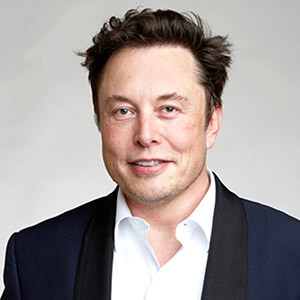
Elon Musk: A Pioneer in Technology and Space Exploration
Biography of Elon Musk
Elon Musk was born in South Africa on June 28, 1971. He is an entrepreneur and business magnate known for founding several high-profile technology companies.
Early Life and Education
Musk showed an early interest in computing and technology. At the age of 12, he created a video game called Blastar and sold it for approximately $500. He later moved to Canada to attend Queen's University and subsequently transferred to the University of Pennsylvania, where he earned degrees in both physics and economics.
Career Beginnings
After graduation, Musk moved to California to pursue a PhD in applied physics at Stanford University but left after just two days, choosing instead to pursue a career in business. In 1995, he co-founded Zip2, a city guide software for newspapers, which was sold for $307 million in 1999.
Major Ventures
Musk went on to co-found X.com, which later became PayPal, an online payment system that revolutionized money transfers. In 2002, eBay acquired PayPal for $1.5 billion in stock.
In 2002, Musk founded SpaceX (Space Exploration Technologies Corp.) with the goal of reducing space transportation costs to make space travel more accessible. SpaceX made headlines in May 2012 when it launched the Falcon 9 rocket, sending the first commercial vehicle to the International Space Station.
In 2004, Musk joined Tesla Motors, Inc. as chairman and later became CEO. Under his leadership, Tesla has become a leader in electric vehicles, energy storage, and solar technology. The company's innovative approach and successful models such as the Tesla Model S, Model 3, Model X, and Model Y have significantly influenced the automotive industry.
Advisory Roles and Acquisitions
During President Donald Trump's administration, Musk served as an adviser, participating in discussions on technology and policy. In 2016, he expanded his portfolio by acquiring SolarCity, a solar energy services company, which he later merged with Tesla.
Wealth and Influence
Musk became one of the world's wealthiest individuals, reportedly surpassing Jeff Bezos as the richest person in January 2021. His wealth has grown substantially due to Tesla's skyrocketing stock price.
Cryptocurrency and Dogecoin
Musk has been known to publicly support cryptocurrency, particularly Dogecoin. He has stated that he personally owns Dogecoin, though there has been no indication that Tesla itself holds Dogecoin in its financial assets. Nonetheless, Tesla began accepting Doge as payment for some merchandise on its website.
Twitter Acquisition
On April 14, 2022, Musk initiated the acquisition of Twitter, Inc., a significant social media platform. The transaction concluded on October 27, 2022, marking a pivotal moment in his influence over social media.
Conclusion
Elon Musk continues to be a transformative figure across multiple industries, with a lasting impact on technology, space exploration, and energy. His ambitious vision for the future drives his ventures, aiming to address challenges such as climate change and space colonization.
Elon Musk and Cryptocurrencies
Elon Musk has become one of the most influential figures in the cryptocurrency space, leveraging his platform and audience to impact market movements and public perception.
1. Dogecoin Ownership
Musk has publicly acknowledged his ownership of Dogecoin, a cryptocurrency that started as a meme but gained significant popularity and value, largely due to Musk's endorsements. His tweets and comments about Dogecoin have often led to rapid price fluctuations, showcasing his influential role in the crypto market.
2. Tesla and Dogecoin
In early 2021, Tesla stated that it would accept Bitcoin as a form of payment for its electric vehicles. However, in May 2021, Musk announced via Twitter that Tesla would suspend Bitcoin payments due to concerns over the environmental impact of Bitcoin mining. Later, in 2022, Tesla began accepting Dogecoin for certain merchandise, emphasizing Musk's preference for this meme-based cryptocurrency over others.
3. Support for Cryptocurrency Development
Aside from Dogecoin, Musk has shown interest in various aspects of the cryptocurrency world, including decentralized finance (DeFi) and blockchain technology. He has expressed support for the potential of cryptocurrencies to disrupt traditional financial systems. However, his approach has often been informal and sporadic, focusing primarily on specific projects and coins that capture his attention or interest.
4. Market Influence
Musk's tweets and public statements can significantly influence cryptocurrency prices. For example, following a single tweet expressing support for Dogecoin, the cryptocurrency's market cap soared. This has raised questions about market manipulation, leading to discussions in regulatory circles about the power of influential figures in the cryptocurrency market.
5. Criticism of Traditional Financial Systems
Musk has been vocal about his skepticism towards traditional banking systems, expressing belief in the potential of cryptocurrencies to provide a more decentralized and simplified financial structure. He often uses his platform to discuss issues like inflation and the value of digital currencies as a hedge against traditional economic pressures.
6. Impact on Mining Operations
His concerns regarding the environmental impact of Bitcoin mining led to a broader dialogue about the sustainability of cryptocurrencies. Musk has encouraged discussions about utilizing more renewable energy sources for mining operations, contributing to the ongoing debate about the ecological effects of cryptocurrency mining.
7. Regulatory Discussion
Musk's high-profile involvement in the cryptocurrency sector has spurred discussions on the need for regulatory frameworks to address the volatility and potential risks associated with cryptocurrencies. His comments often lead to reactions from regulatory bodies and can influence market sentiments.
Elon Musk's Influence on Cryptocurrencies, Blockchain, and Mining
Elon Musk's impact on the cryptocurrency landscape can be assessed through several key aspects:
1. Market Movements and Speculation
Musk's tweets and public statements have been known to cause significant fluctuations in the prices of cryptocurrencies. His endorsements, especially regarding Dogecoin, have led to sharp increases in price and trading volume, illustrating his influence as a leading public figure in the crypto space.
2. Advocacy for Cryptocurrencies
Musk has publicly expressed his support for cryptocurrencies like Bitcoin and Dogecoin, advocating for their use as legitimate forms of payment. This advocacy has had a ripple effect, encouraging more individuals and companies to consider cryptocurrencies as part of their financial transactions.
3. Acceptance of Crypto Payments
Under Musk's leadership, Tesla has adopted policies that allow customers to purchase merchandise using Dogecoin. This decision not only showcases a real-world application of cryptocurrencies but also reflects Musk's belief in the potential of digital currencies to integrate with mainstream commerce.
4. Technological Perspectives
Musk has also contributed to the conversation surrounding blockchain technology. His interest in developing advanced technologies, such as through SpaceX or Tesla, has parallels in the decentralized applications and innovations that blockchain technology promotes.
5. Influence on Community Sentiment
As a prominent figure in tech, Musk's opinions and announcements shape community sentiment around different cryptocurrencies. His remarks can lead to heightened interest and investment, which may attract a wider audience to the blockchain ecosystem.
6. Environmental Considerations
Musk has raised concerns about the environmental impact of Bitcoin mining, which has led to broader discussions within the cryptocurrency community regarding sustainable practices in blockchain operations. His emphasis on sustainability aligns with the principles of clean energy and could influence future developments in mining methodologies.
Conclusion
Elon Musk’s influence on cryptocurrencies, blockchain, and mining is substantial and multifaceted. His public advocacy, impact on market movements, and focus on sustainable practices contribute to shaping perceptions and driving innovations within the crypto space. As he continues to interact with the community, his actions are likely to keep influencing the trajectory of these technologies.