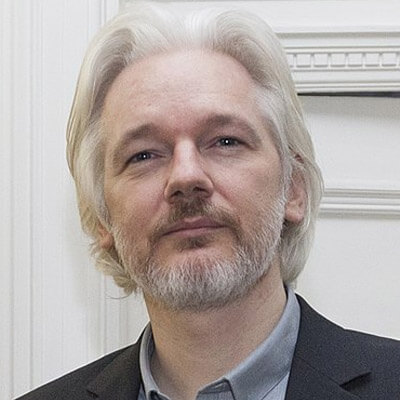
Julian Assange: Champion of Free Speech and Digital Transparency
Julian Assange Biography
Early Life
Julian Paul Assange was born on July 3, 1971, in Townsville, Queensland, Australia. He showed an early interest in computers and became a skilled hacker, adopting the pseudonym "Mendax."
Founding of WikiLeaks
In 2006, Assange founded WikiLeaks, an international non-profit organization aimed at publishing classified, censored, or otherwise restricted information from anonymous sources. The organization gained significant global prominence in 2010 with the release of various leaks provided by U.S. Army intelligence analyst Chelsea Manning, including the infamous Collateral Murder video, the Iraq War Logs, and the Afghan War Diary.
Involvement with Bitcoin
In 2010, after major financial institutions such as PayPal, Visa, and MasterCard blocked donations to WikiLeaks, Assange and the organization turned to Bitcoin as an alternative funding source. This move was pivotal not only for WikiLeaks but also for the early adoption of Bitcoin, showcasing its potential as a decentralized financial system. Assange has frequently acknowledged the support of the cryptocurrency community in sustaining WikiLeaks through financial blockades, emphasizing Bitcoin's role in promoting free speech and financial freedom.
Legal Issues and Asylum
In 2012, Assange faced extradition to Sweden over allegations of sexual misconduct and sought asylum in the Embassy of Ecuador in London, where he lived for seven years. His asylum status continued until April 2019, when British authorities arrested him. The legal battles did not end there, as the United States sought his extradition on charges related to the unauthorized publication of classified materials.
Release and Freedom
In June 2024, Julian Assange was released, marking a significant turn in his long-standing legal saga. His release was celebrated by supporters worldwide who regard him as a champion of transparency and freedom of information.
Legacy and Influence
Assange's work with WikiLeaks has sparked global debates about transparency, government secrecy, and freedom of the press. His advocacy for Bitcoin highlighted the cryptocurrency's potential to bypass traditional financial barriers and support independent journalism. Assange's contributions have left a lasting impact on both journalism and technology, emphasizing the crucial interplay between these fields and the importance of the right to information.
Julian Assange and His Connection to Cryptocurrencies
Involvement with Bitcoin
Julian Assange's connection to cryptocurrencies primarily revolves around his advocacy for Bitcoin, particularly during critical moments when traditional financial systems restricted funding to WikiLeaks. In 2010, following the release of sensitive materials, major financial institutions like PayPal, Visa, and MasterCard cut off donations to WikiLeaks. This move forced Assange and his organization to seek alternative funding methods.
Recognizing the potential of Bitcoin as a decentralized financial system, WikiLeaks started accepting donations in Bitcoin. This decision was crucial not only for the survival of the organization but also for the broader adoption of Bitcoin. It showcased Bitcoin's ability to facilitate transactions without the interference of traditional financial institutions, highlighting its significance in promoting free speech and financial autonomy.
Bitcoin Advocacy
Assange frequently acknowledged the role of the cryptocurrency community in supporting WikiLeaks. He emphasized how Bitcoin provided a lifeline during financial blockades, enabling the organization to continue its operations and publish classified information. Assange regarded Bitcoin as a tool for empowering individuals against censorship and oppression, reinforcing the values of transparency and open access to information.
Legacy in Cryptocurrency Community
Assange's engagement with Bitcoin and his defense of its importance have left a lasting impact on the cryptocurrency community. His association with Bitcoin illustrated how cryptocurrencies can serve as a means of resistance against state power and corporate censorship. This has inspired many within the crypto space to advocate for its use in financing independent journalism and supporting causes related to human rights and governmental accountability.
Promoting Decentralization and Autonomy
Julian Assange's work with WikiLeaks and his promotion of Bitcoin align with broader concepts of decentralization and economic autonomy. By adopting Bitcoin, Assange not only sought financial independence for WikiLeaks but also highlighted the transformative potential of blockchain technology. Blockchain's inherent characteristics—transparency, security, and resistance to censorship—mirror the values that Assange championed in his fight for government transparency and freedom of information.
Influence on Future of Cryptocurrencies
Assange's role in the early adoption of Bitcoin has contributed significantly to the narrative of cryptocurrencies in the modern era. His experiences showcased the vulnerabilities of traditional financial systems and the potential of cryptocurrencies to offer alternative solutions. This relationship between Assange and cryptocurrencies emphasizes the relevance of digital assets in advocating for freedom of speech, journalistic integrity, and the protection of individual rights.
Impact of Julian Assange on Cryptocurrencies, Blockchain, and Mining
Julian Assange has significantly influenced the cryptocurrency landscape, particularly through his advocacy for Bitcoin and the adoption of decentralized financial systems. His experience with WikiLeaks, which faced financial censorship from major institutions, demonstrated the potential of cryptocurrencies as alternative funding sources for organizations that promote transparency and free speech.
Advocacy for Bitcoin
During the 2010 financial blockade against WikiLeaks, Assange's shift to Bitcoin as a funding method was a pivotal moment for the cryptocurrency. This decision not only helped WikiLeaks to sustain its operations amid financial censorship but also helped to showcase Bitcoin's utility as a decentralized currency. Additionally, his public endorsements of Bitcoin raised awareness among mainstream audiences, leading to increased acceptance and legitimacy of cryptocurrencies as viable financial instruments.
Decentralization and Financial Freedom
Assange's involvement highlighted key themes of decentralization, privacy, and financial autonomy, enticing both individuals and organizations looking to avoid governmental interference or censorship. His advocacy underscored the importance of enjoying financial freedom, especially for journalists and whistleblowers who operate in restrictive environments.
Influence on Blockchain Technology
In advocating for Bitcoin, Assange inadvertently promoted the underlying blockchain technology, which ensures transparency, security, and immutability of transactions. This advancement became critical to a wide array of applications beyond cryptocurrency, such as supply chain transparency and secure communications.
Community and Global Engagement
Assange’s situation sparked global discussions about censorship, privacy rights, and the need for decentralized solutions. His reliance on the cryptocurrency community not only fortified the community's role during crises but also helped unify individuals around the ideals of transparency and resistance against authoritarian measures.
Conclusion
Julian Assange's legacy has left an indelible mark on the cryptocurrency sphere and blockchain technology. His experiences emphasized the necessity for alternative financial systems and legal frameworks that support decentralization, privacy, and free access to information. Through his work, Assange has propelled the conversation about the ethical use of cryptocurrencies and the potential of blockchain to promote transparency and independence, solidifying his role in the ongoing evolution of the financial sector.