Previous Work
Education
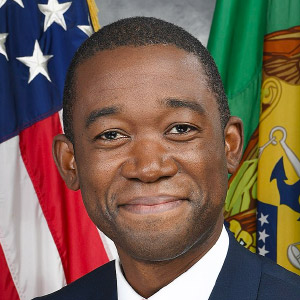
Wally Adeyemo: A Leader in U.S. Economic Policy
Wally Adeyemo
Birth: May 20, 1981, Ibadan, Nigeria
Parents: Yoruba descent; father was a teacher and mother was a nurse.
Education:
- Graduated from Eisenhower High School in Rialto, California, in 1999.
- Bachelor of Arts degree from the University of California, Berkeley, in 2004.
- Juris Doctor degree from Yale Law School in 2009.
Career Trajectory
Early Career
Adeyemo began his career in political outreach, serving as the director of African American outreach for John Kerry’s 2004 presidential campaign in California. Prior to his involvement in the Obama administration, he worked as an editor at the Hamilton Project and held several roles within the United States Department of the Treasury, including senior advisor and deputy chief of staff. He also contributed significantly as a negotiator for the Trans-Pacific Partnership and served as the first chief of staff of the Consumer Financial Protection Bureau under Elizabeth Warren.
Obama Administration
Initially nominated in November 2014 as Assistant Secretary of the Treasury for International Markets, Adeyemo’s nomination was not advanced by the Senate Committee. Instead, he was appointed Deputy National Security Advisor for International Economics and deputy director of the National Economic Council in 2015, serving until 2016. In this role, Adeyemo represented the U.S. President at G7 and G20 summits and played a key role in the Trans-Pacific Partnership negotiations.
Post-Obama Era
After his tenure in the Obama administration, Adeyemo joined BlackRock as a senior advisor and served as interim chief of staff for CEO Laurence D. Fink. In 2019, he became the first president of the Obama Foundation, furthering its mission and impact.
Deputy Secretary of the Treasury
Nomination and ConfirmationIn November 2020, Adeyemo was announced as the nominee for United States Deputy Secretary of the Treasury in the Biden administration. His nomination was confirmed by the Senate in March 2021 by voice vote, and he was sworn into office by Secretary Janet Yellen.
TenureAs Deputy Secretary of the Treasury, Adeyemo has played a pivotal role in sanctions enforcement, especially in 2022. He has engaged with foreign regulators to promote cooperation and ensure effective implementation of U.S. economic policies.
Conclusion
Wally Adeyemo continues to be a significant figure in shaping U.S. economic policy, leveraging his extensive experience in international economics and finance.
Wally Adeyemo and His Connection to Cryptocurrencies, Blockchain, and Mining
While Wally Adeyemo is primarily recognized for his roles in international economics and finance, his tenure as Deputy Secretary of the Treasury has positioned him at the intersection of digital finance and regulatory oversight, particularly concerning cryptocurrencies, blockchain technology, and mining activities.
1. Regulatory Framework Development
As Deputy Secretary of the Treasury, Adeyemo has been involved in establishing frameworks for the regulation of cryptocurrencies. The Biden administration has taken active steps to address the rapid growth of the cryptocurrency market, emphasizing the need for strong regulatory measures to prevent illicit activities such as money laundering and fraud. Adeyemo's background in international economics has made him a key player in these discussions, collaborating with other nations to create a coordinated approach.
2. Focus on Financial Stability
Adeyemo has underscored the importance of ensuring that cryptocurrencies do not undermine the stability of the financial system. This involves assessing the risks associated with digital assets and their potential impact on traditional banking. His work has involved dialogue with financial institutions and technology firms to stay ahead of potential challenges posed by blockchain technology in the financial ecosystem.
3. Engagement with Industry Stakeholders
As part of his responsibilities, Adeyemo has engaged with various stakeholders in the cryptocurrency and blockchain sectors, including industry leaders, regulators, and academia. This engagement aims to balance innovation with consumer protection, driving discussions about responsible practices in crypto markets. His outreach has contributed to a more informed policy environment regarding blockchain innovations.
4. Sanctions Enforcement and Cryptocurrency
One significant aspect of Adeyemo's position is the enforcement of sanctions, particularly in relation to the use of cryptocurrencies for bypassing economic restrictions. His focus has been on how blockchain technology can be utilized by sanctioned entities to move value and the U.S. response to this challenge. This includes working with international partners to track and mitigate the risks of unregulated cryptocurrency flows.
5. Influence on Central Bank Digital Currencies (CBDCs)
Adeyemo's background in economics positions him as a crucial figure in discussions about Central Bank Digital Currencies (CBDCs). The U.S. Treasury has been exploring the potential benefits and challenges of CBDCs, which could fundamentally alter how digital transactions are conducted. His insights could help shape policy considerations that balance innovation with the imperatives of monetary policy and compliance.
Conclusion
While Wally Adeyemo's focus has primarily been on traditional finance, his influence extends significantly into the realm of cryptocurrencies, blockchain technology, and mining through his work in regulatory development, risk assessment, and international collaboration. As digital assets continue to evolve, his role may impact how these technologies are integrated into the broader financial system.
Impact of Wally Adeyemo on Cryptocurrencies, Blockchain, and Mining
Wally Adeyemo's role as Deputy Secretary of the Treasury places him at the forefront of economic policy in the United States, which extends to areas such as cryptocurrencies, blockchain technology, and mining operations. Given his extensive background in both international economics and domestic financial policy, Adeyemo's influence is substantial in several key ways.
Regulatory Environment
One of Adeyemo's primary responsibilities involves overseeing the Treasury's policy on economic sanctions and financial regulations. As this landscape is increasingly intersecting with cryptocurrency and digital finance, his decisions directly affect how these technologies are regulated. His approach towards robust regulation could lead to clearer guidelines and frameworks for cryptocurrencies, which could stabilize the market and encourage responsible innovation.
Sanctions and Compliance
Adeyemo has been pivotal in sanction enforcement, particularly in 2022. His insights on compliance are likely to influence how cryptocurrencies are treated within the context of sanctions, which can affect the operational landscape for many entities engaged in blockchain and crypto projects. This entails ensuring that cryptocurrency exchanges and firms comply with U.S. laws, potentially deterring illicit use of digital currencies while reinforcing legitimate use cases.
International Cooperation
His engagement with foreign regulators reinforces a proactive approach toward international cooperation, crucial for addressing the borderless nature of cryptocurrencies. By fostering dialogue with international partners, Adeyemo can help align global regulatory standards, providing a more stable environment for companies involved in blockchain and cryptocurrency development.
Economic Policy and Innovation
Adeyemo's understanding of international financial systems can drive policies that encourage innovation in blockchain technology and its applications. By prioritizing economic growth and embracing digital currencies, he may help establish the U.S. as a leader in the crypto space, promoting investment and research in blockchain technologies.
Conclusion
Wally Adeyemo's influence on the cryptocurrency sector, blockchain technology, and mining operations stems from his significant role in shaping regulatory frameworks and fostering international cooperation. His tenure could lead to a more defined and stable regulatory environment that encourages innovation while ensuring compliance with U.S. economic policies. As the ecosystem continues to evolve rapidly, Adeyemo's decisions will be instrumental in balancing innovation with necessary regulatory oversight.