Education
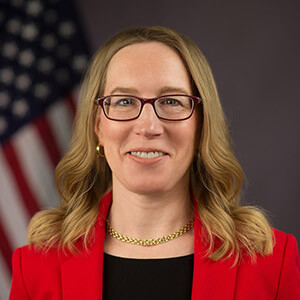
Hester Peirce: Champion of Cryptocurrency and SEC Commissioner
Biography of Hester Peirce
Hester Peirce, known as the “Crypto Mom” for her pro-cryptocurrency and blockchain stance, was sworn in as a Commissioner of the U.S. Securities and Exchange Commission (SEC) on January 11, 2018. She was appointed by former President Donald Trump.
Prior to her appointment to the SEC, Peirce developed her expertise in financial market regulation while serving as a researcher at the Mercatus Center at George Mason University. During this time, she focused on issues related to financial policy and regulation.
Peirce also served as Senior Counsel on the Senate Committee on Banking, Housing, and Urban Affairs, where she provided securities-related advice to the committee's Ranking Member, Richard Shelby, and other members. This role allowed her to gain valuable insights into the legislative processes surrounding financial regulation.
Additionally, her professional background includes experience as counsel to SEC Commissioner Paul S. Atkins and as a Staff Attorney in the SEC’s Division of Investment Management, where she contributed to the oversight of investment firms and compliance with securities laws.
Before her government service, Peirce worked as an associate at the law firm Wilmer, Cutler & Pickering (now WilmerHale), where she specialized in securities law. She also gained judicial experience as a law clerk for Judge Roger Andewelt on the Court of Federal Claims.
Hester Peirce holds a bachelor’s degree in Economics from Case Western Reserve University and a Juris Doctor (JD) from Yale Law School. Her educational background, combined with her extensive experience in financial regulation, has positioned her as a prominent voice in discussions regarding cryptocurrency and blockchain technology within the regulatory framework.
Hester Peirce and Her Connection to Cryptocurrencies, Blockchain, and Mining
Hester Peirce, widely recognized as the "Crypto Mom," has garnered attention for her favorable views on cryptocurrencies and blockchain technology. Her advocacy stems from a belief in the potential of decentralized finance and innovation within the financial sector.
1. Advocacy for Regulatory Clarity
Peirce has consistently emphasized the need for clear and favorable regulatory frameworks that can support the growth of cryptocurrencies. She has voiced concerns regarding the SEC's cautious approach to cryptocurrencies, arguing that excessive regulation could stifle innovation and push businesses overseas.
2. The "Safe Harbor" Proposal
In 2020, Peirce proposed a "safe harbor" initiative that would provide a three-year grace period for developers of digital tokens. This proposal seeks to allow projects to develop and grow without the immediate threat of regulatory scrutiny, provided they make reasonable efforts to decentralize their networks during that time. This initiative aims to encourage innovation while ensuring that projects do not fall under the rigorous framework of securities law prematurely.
3. Remarks on Initial Coin Offerings (ICOs)
Peirce has expressed her willingness to support the ICO market as a means for startups to raise funds. Unlike some of her colleagues, who have favored stringent regulations, she believes that the SEC should approach ICOs with a more nuanced view, recognizing their potential as a legitimate fundraising method for blockchain projects.
4. Perspectives on Decentralization
Throughout her tenure, Peirce has highlighted the importance of decentralization in blockchain technology. She perceives decentralized networks as key to preventing market manipulation and promoting fair competition. Her support for decentralization aligns with the principles of many cryptocurrency advocates who believe that decentralized finance (DeFi) can democratize access to financial services.
5. Public Engagement and Education
Peirce has engaged in public discourse around cryptocurrencies, participating in various conferences and forums to educate policymakers and the public about blockchain technology. She believes that fostering a better understanding of crypto and blockchain among regulators can lead to more informed decision-making.
6. Critique of Regulatory Overreach
Peirce has often criticized the SEC's heavy-handed approach to regulating cryptocurrency firms and projects. She argues that some actions taken by the SEC could harm the U.S. position in the global crypto market, as countries with more favorable regulations may attract innovative projects and talent, while the U.S. risks being left behind.
7. Encouragement of Innovation
Her overarching philosophy promotes the idea that regulatory bodies should serve as facilitators of innovation rather than obstacles. Peirce's position encourages a balance between consumer protection and the promotion of technological advancement in the financial services industry.
In summary, Hester Peirce's contributions to the conversation surrounding cryptocurrencies and blockchain technology reflect her commitment to fostering innovation while also advocating for appropriate regulatory measures that do not hinder the industry's growth.
Influence of Hester Peirce on Cryptocurrency, Blockchain, and Mining
Hester Peirce, known as "Crypto Mom," has had a significant impact on the cryptocurrency and blockchain landscape since her appointment as SEC Commissioner. Her pro-cryptocurrency stance has positioned her as a key advocate for the integration of digital assets within the existing regulatory framework.
1. Promoting Regulatory Clarity
One of Peirce's major contributions has been her consistent call for clearer regulatory guidelines surrounding cryptocurrencies. She has emphasized the need for regulations that foster innovation while protecting investors. This approach has the potential to create a more favorable environment for businesses operating in the cryptocurrency space, encouraging investment and development.
2. Advocating for Safe Harbors
Peirce proposed a framework known as the "Safe Harbor" proposal, which aims to provide a three-year grace period for developers of new cryptocurrency projects to engage with their communities without the fear of immediate regulatory consequences. This initiative is designed to cultivate innovation and investor participation, which could lead to the development of more robust projects in the blockchain ecosystem.
3. Critical Perspective on Overregulation
Peirce has often expressed concern about overregulation stifling innovation in the cryptocurrency sector. By advocating for a balanced approach, she aims to encourage regulators to consider the unique characteristics of blockchain technologies. Her perspectives can help shape a regulatory landscape that is conducive to technological advancements while ensuring necessary consumer protections.
4. Encouraging Collaborative Dialogue
Peirce actively engages with industry stakeholders, promoting dialogue between regulators and the cryptocurrency community. This collaborative approach has the potential to bridge the gap between innovation and regulation, allowing for more informed decision-making processes that reflect the realities of the industry.
5. Impacts on Mining
While Peirce's direct influence on cryptocurrency mining is less pronounced, her regulatory efforts can indirectly impact the mining sector. By advocating for a fair regulatory environment, her work could lead to policies that support sustainable mining practices and legitimacy within the industry, thus benefiting stakeholders in the mining community.
Conclusion
Overall, Hester Peirce's influence on the cryptocurrency, blockchain, and mining sectors has been marked by her advocacy for regulatory clarity and innovation-friendly policies. Her initiatives and perspectives have the potential to foster a more vibrant and responsible digital asset ecosystem, which can pave the way for continued growth in these emerging fields.